Winter Riding: How to Stay Safe When the Weather Turns
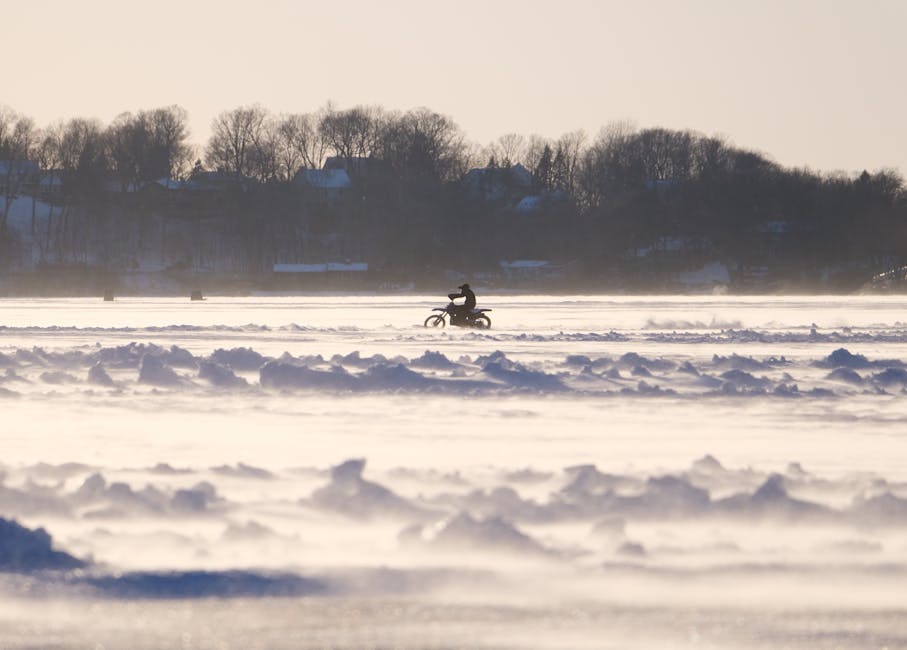
Winter presents unique challenges for motorcycle riders. Cold temperatures, rain, ice, and reduced visibility all demand extra care and preparation. Many riders stop riding entirely during winter, but with the right approach and mindset, you can ride safely and enjoyably year-round.
Tyre Selection and Maintenance
This is the single most important safety factor. Cold weather reduces tyre grip, so ensure your tyres are in excellent condition with proper tread depth. Some experienced riders switch to winter-specific tyres, which use softer rubber compounds that grip better in cold. At minimum, check pressure more frequently – cold air contracts, so tyre pressure drops in winter and needs regular topping up.
Appropriate Clothing
Layering is key. Start with thermal base layers to retain body heat, add an insulating mid-layer, then wear a quality waterproof jacket and trousers. Heated grips and heated jacket liners are genuine game-changers for winter comfort. Don't forget a balaclava or neck warmer under your helmet – wind chill is brutal when you're moving at speed.
Visibility Concerns
Winter days are shorter with reduced daylight. Wear bright or reflective clothing, use your headlight even during the day, and consider adding reflective tape to your bike. Reduced visibility means other road users might not see you, so ride defensively and assume they haven't noticed you.
Handling Ice and Wet Roads
Reduce speed in wet conditions – grip is much lower than in summer. Avoid heavy braking and acceleration, and lean less aggressively into corners. Watch for black ice, particularly on bridges and in shaded areas. If you feel the bike sliding, stay calm and don't panic-brake. Smooth inputs are essential.
Bike Maintenance
Winter salt and grit damage bikes quickly. Wash your bike regularly, especially the underside and chain. Use a corrosion-protective chain lube. Check your battery – cold reduces its effectiveness, and a weak battery might struggle to start your bike. Ensure your coolant is properly mixed to prevent freezing. Consider a battery tender if you store your bike for extended periods.
Fuel and Engine Care
Use fuel with added stabiliser if you ride infrequently. Cold engines need longer to warm up – don't rev hard immediately after starting. Modern bikes have fuel injection that handles cold starting well, but older carburetted bikes may need choke adjustment.
Mental Preparation
Winter riding requires focus and patience. Accept that you'll be slower, and that's fine. Build in extra time for your journey. Stay alert for hazards like gravel, potholes, and debris washed onto roads. If conditions are genuinely dangerous – heavy snow, ice storms, or severe flooding – it's sensible to use alternative transport.
Winter riding is achievable and rewarding. The roads are quieter, the scenery is often beautiful, and the sense of accomplishment is significant. Respect the conditions, prepare thoroughly, and enjoy the unique experience.